Our Mission
Educate, Support, Empower.
The Domestic Violence Resource Center of South County (DVRC) is a nonprofit agency that works toward a future free of violence and to build a community in which each individual shares the responsibility to create a culture of safety and personal dignity.
We work collaboratively to offer safety, support, advocacy, education, and a network of services to the residents of Washington County. DVRC is dedicated to both preventing and responding to interpersonal violence by working to change the social conditions, beliefs, and social actions that perpetuate abuse.
“I have no idea what I would be doing right now if I hadn’t left the relationship and come here.”
A DVRC Client
Our History
It started at a kitchen table
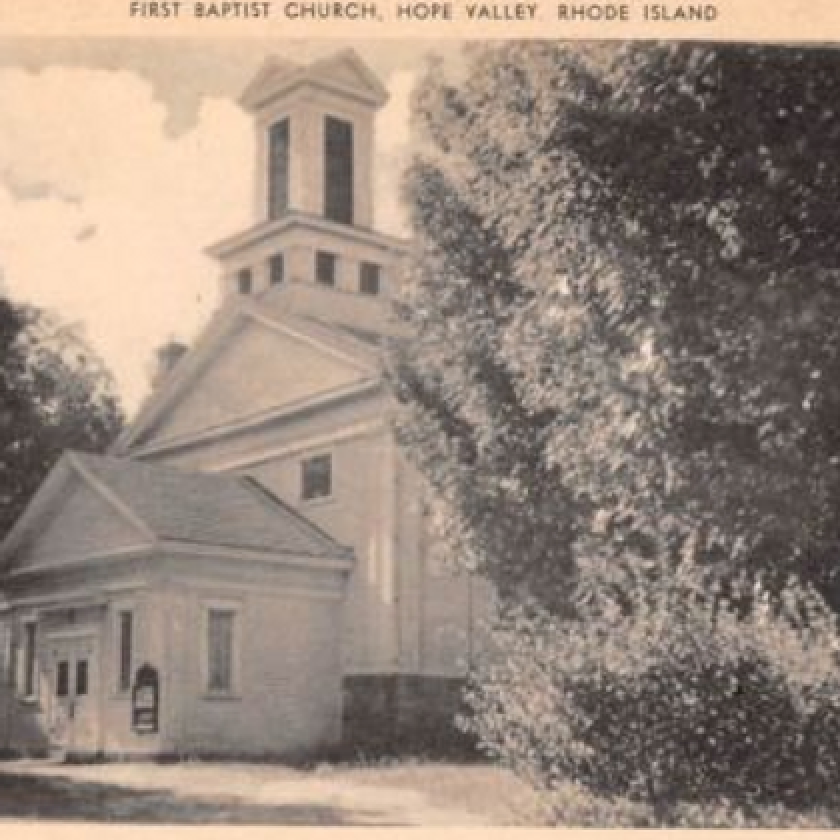
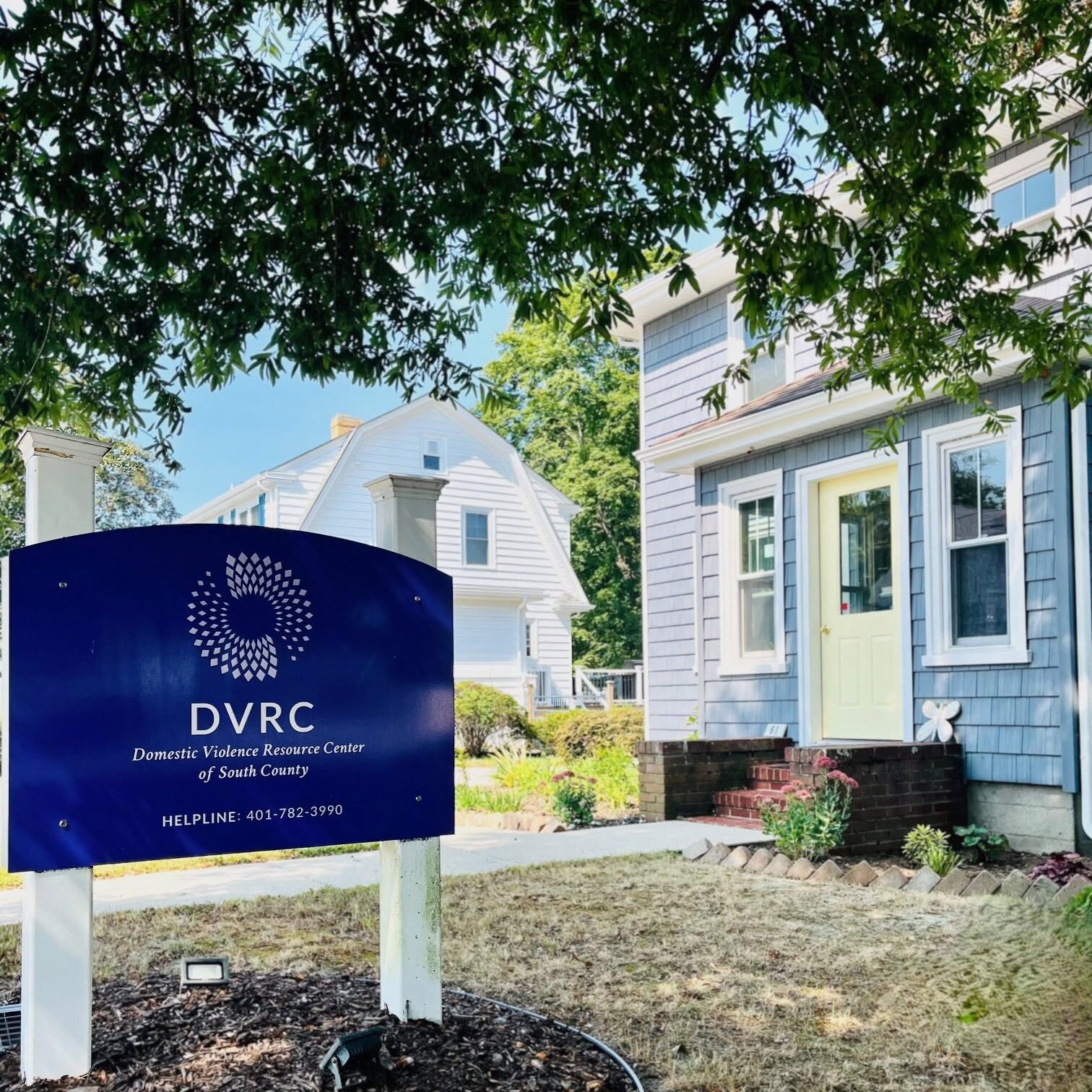
It started at a kitchen table. In 1978, a small group of women gathered around a kitchen table with a shared concern for the safety and well-being of women in their community. With no paid staff, no equipment, and a first-year budget of just $183.79, most of it dedicated to telephone service, they opened the Battered Women’s Project in the annex of Hope Valley Baptist Church. In those early days, women fleeing abuse were sheltered with local families during emergencies. What began as a grassroots effort grew steadily in response to the needs of survivors: a Safe Home was purchased and renovated in 1985, the Drop-In Center at 61 Main Street in Wakefield was purchased in 1989, and in 2004 the organization became the Domestic Violence Resource Center of South County (DVRC), reflecting its commitment to serving all people impacted by interpersonal violence. Nearly five decades later, the heart of that original mission remains unchanged: creating safety, restoring hope, and supporting survivors and their families to build lives free from abuse.
Today, DVRC is a comprehensive community resource providing support at every stage of a survivor’s journey; from immediate crisis and safety to healing, stability, and long-term independence. From a $183.79 budget to a multifaceted organization serving individuals and families throughout Rhode Island, DVRC’s history is ultimately a story of community: people coming together, generation after generation, with the belief that everyone deserves safety, dignity, and the opportunity to thrive.
You Don’t Have to Face This Alone.
Our advocates are here to listen, support, and help you explore your options.